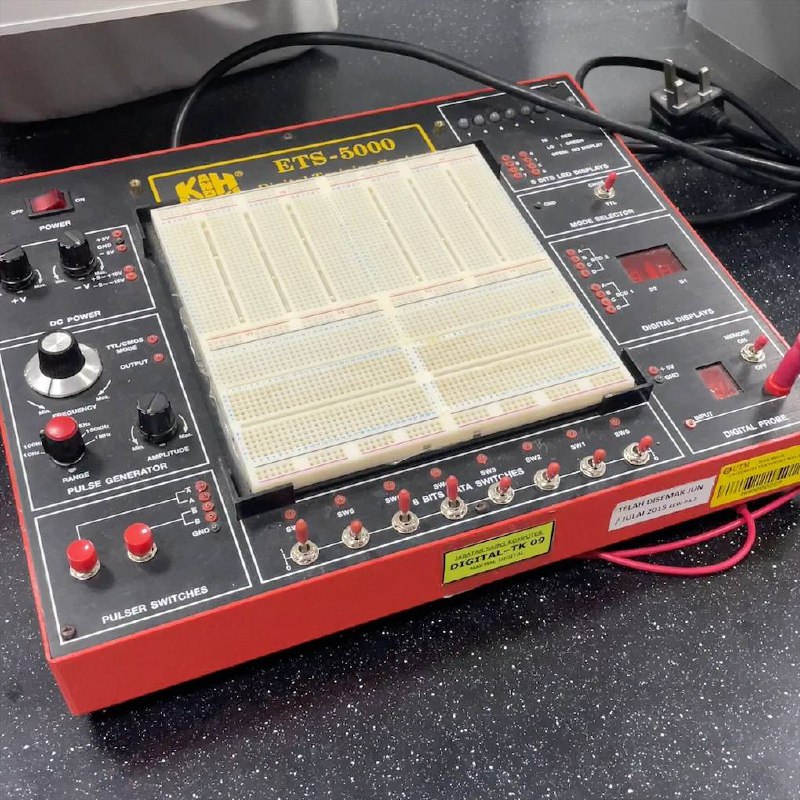
Lab 1
Lab 1 is a hands on project for understanding basic gates.
Reflection: The process of combining circuits, inserting inputs, and obtaining outputs based on those inputs was learned.

A showcase of my projects, courses, and more!
Digital electronics is the foundation of all microprocessor-based systems found in computers, robots, automobiles, and industrial control systems. This course introduces the students to digital electronics and provides a broad overview of many important concepts, components, and tools. Students will get up-to-date coverage of digital fundamentals-from basic concepts to programmable logic devices. Laboratory experiments provide hands-on experience with the simulator software, actual devices and circuits studied in the classroom
Lab 1 is a hands on project for understanding basic gates.
Reflection: The process of combining circuits, inserting inputs, and obtaining outputs based on those inputs was learned.
Lab 2 is a series of Module 4: Boolean Algebra and Module 5: Combinational Logic Circuit.
Reflection: Parts of Lab 2 required the use of the Deeds application. As a result, exploration and further learning of the functions within the Deeds application were carried out. Additionally, revisions for the Digital Logic mid-term test were completed due to the topics involved.
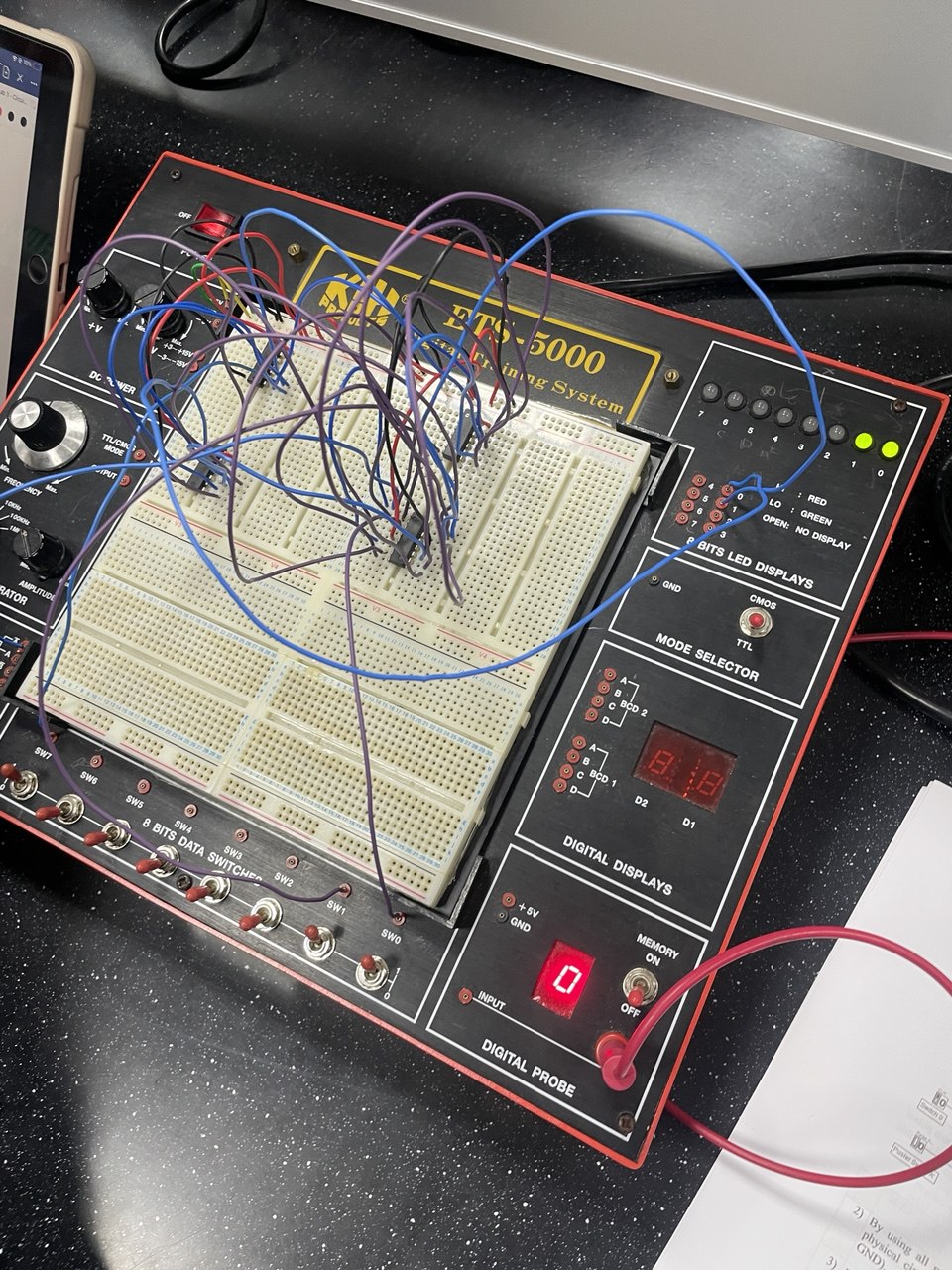
Lab 3 is a hands on project covers Module 7: Asynchronus Flip Flops and Module 8: Up-Down Counters.
Reflection: Hands-on projects help in better understanding the theories learned in class. A deeper understanding was achieved after completing the lab.